dress circa 1795 Not on view
The fit system I follow Shoulder and neckline: stable base, prevents sliding Armhole: enough depth for movement, not too deep to avoid gaping Bust shaping: darts or seams that point to bust apex Waist placement: natural waist for safest fit, empire for comfort fit Skirt flare: balanced sweep so it drapes, not tent volume Fit choices by target customer Common fitting failures I prevent early Armhole too small, so the bodice lifts when arms move Sleeve too narrow, so the fabric wrinkles and pulls Bust apex mismatch, so the chest looks flat or pointy Waist seam too high, so the skirt starts flaring in the wrong place Which fabrics make a short-sleeve A-line dress look premium, not cheap
Women wore "ropes and ropes" of faux pearls in various hues since pearls were so fashionable
This is because for instance a navy-blue dress is a depiction of sophistication and unmatched elegance
Waterproof, conformable and comfortable for the patient
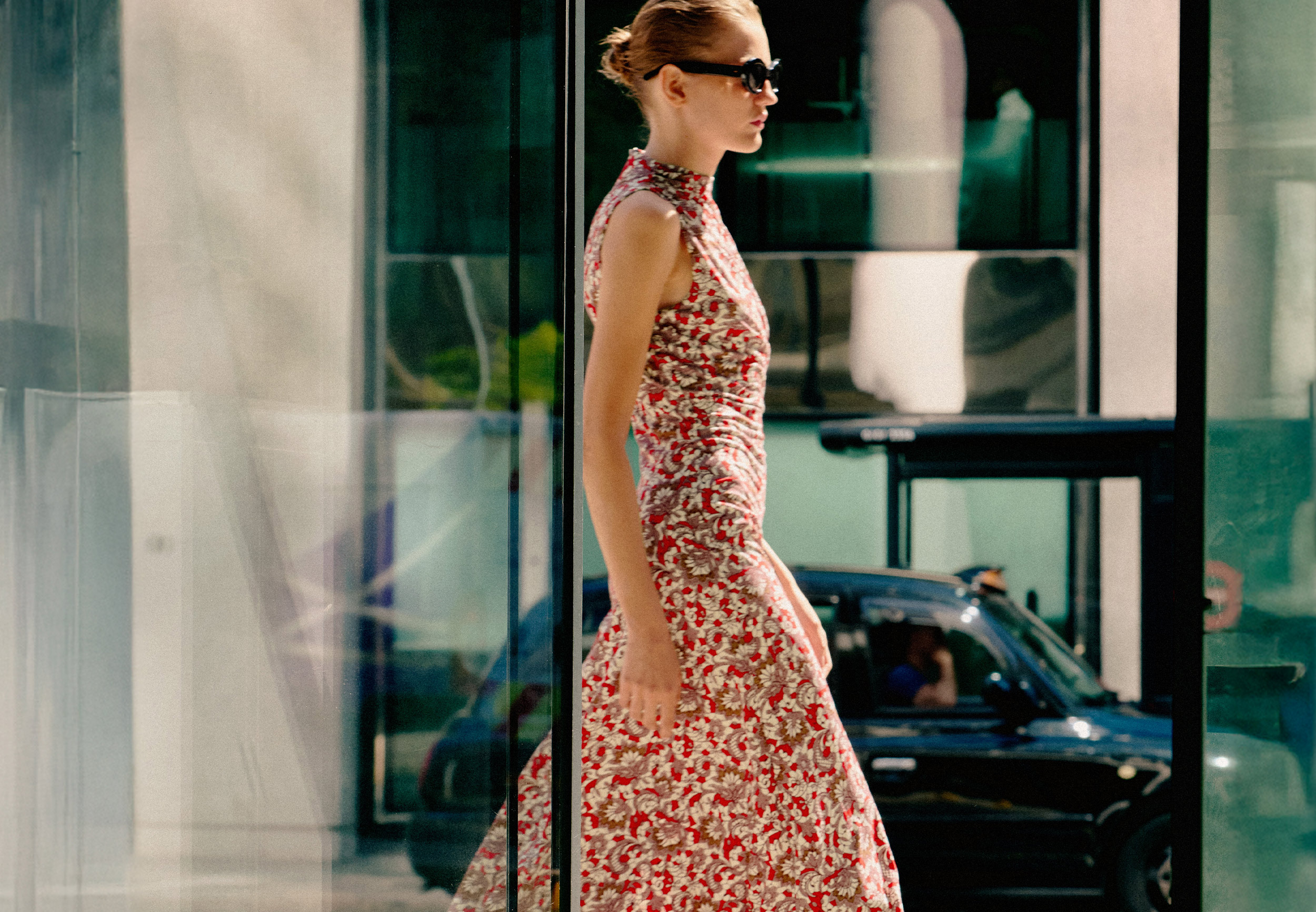
The skirt should be an A-line or gently pleated style that falls to the mid-calf, offering full coverage while still feeling light and easy to wear